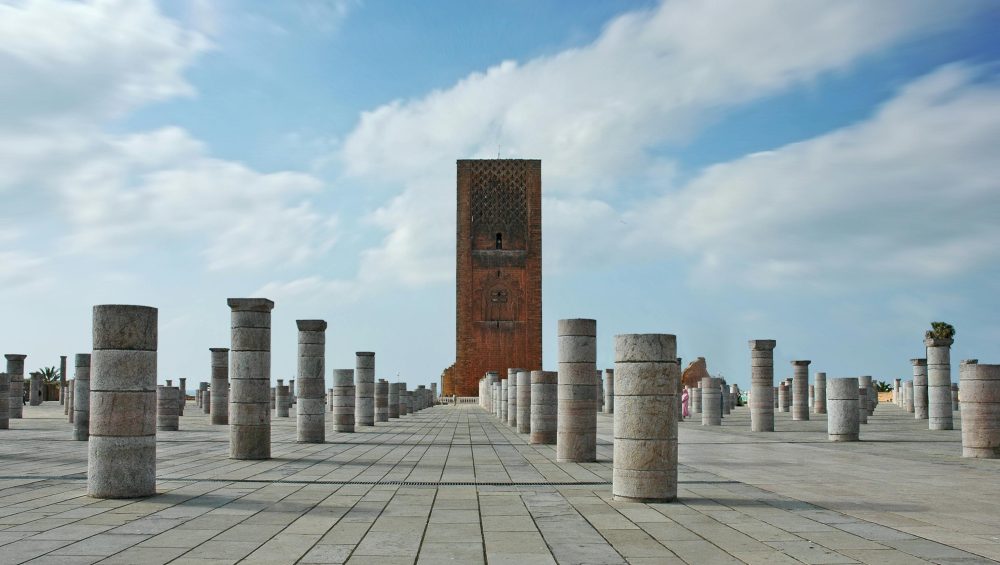
Understanding Morocco’s Rich Cultural Heritage
Morocco’s cultural landscape represents a unique fusion of Arab, Berber, African, and European influences accumulated over millennia. For travelers, understanding local customs, traditions, and social norms enhances experiences, demonstrates respect, and facilitates meaningful interactions with Moroccan people. This comprehensive guide prepares visitors for cultural nuances they’ll encounter throughout their journey.
The Foundation of Moroccan Hospitality
Hospitality forms the cornerstone of Moroccan culture, deeply rooted in Islamic tradition and Berber customs. Moroccans take pride in welcoming guests, considering hospitality a sacred duty and honor. This tradition manifests in various ways throughout travelers’ experiences.
Upon entering Moroccan homes, guests receive offerings of mint tea, often called “Moroccan whiskey.” This sweet, refreshing beverage represents more than refreshment—it symbolizes friendship and respect. Refusing tea can offend hosts, so accepting at least one glass demonstrates cultural sensitivity. The tea ceremony itself carries significance, with elaborate pouring rituals showcasing hospitality and skill.
Moroccans often insist guests eat more food, accept gifts, or stay longer. While this generosity feels overwhelming, it reflects genuine cultural values rather than ulterior motives. Politely accepting hospitality while respecting personal boundaries requires diplomatic balance.
When invited to Moroccan homes, bringing small gifts shows appreciation. Suitable items include pastries from local shops, tea, dates, or flowers. Avoid alcohol unless certain the family drinks, as many Moroccans abstain for religious reasons.
Islamic Culture and Religious Sensitivity
Islam profoundly influences Moroccan daily life, and understanding its role helps travelers navigate social situations respectfully. Morocco practices relatively moderate Islam, balancing religious observance with tolerance and modernization.
The five daily prayers structure the day’s rhythm. The call to prayer (adhan) sounds from mosques five times daily, beginning before dawn. While initially striking to foreign visitors, this soundscape becomes part of Morocco’s atmospheric charm. During prayer times, some shops close briefly, requiring flexible schedules.
Friday holds special significance as the Islamic holy day. Many businesses close Friday afternoons for Jummah (congregational prayer), and government offices often maintain reduced hours. Planning activities around this schedule prevents disappointment.
Mosques generally remain closed to non-Muslims, with exceptions including the Hassan II Mosque in Casablanca and a few others offering guided tours. Respecting these boundaries demonstrates cultural awareness. When near mosques, maintaining respectful behavior and modest dress shows consideration.
Ramadan, the Islamic holy month of fasting, transforms Morocco’s daily rhythm. Muslims abstain from food, drink, smoking, and sexual activity from dawn to sunset. While tourists aren’t expected to fast, eating, drinking, or smoking publicly during fasting hours shows poor taste. Many restaurants close during daytime, though tourist-oriented establishments often remain open discreetly. The evening Iftar (fast-breaking) creates festive atmospheres with special meals and social gatherings.
Dress Codes and Modesty
Morocco maintains conservative dress standards, particularly outside major tourist areas and modern urban districts. While enforcement isn’t strict, dressing appropriately demonstrates respect and often results in better local interactions.
Women should cover shoulders, cleavage, and knees in public spaces. Loose-fitting clothing works better than tight garments. In cities like Marrakech and Casablanca, many young Moroccan women wear modern fashion, but visitors following conservative standards encounter fewer unwanted attention or uncomfortable situations.
Men should avoid wearing shorts in traditional medinas and religious sites, opting for long pants instead. Tank tops and sleeveless shirts also appear inappropriate in conservative contexts.
Beach destinations like Agadir allow more relaxed standards, with swimwear acceptable on beaches but not in town areas. Even in coastal cities, cover-ups are necessary when leaving beach areas.
When entering mosques open to non-Muslims or religious shrines, both genders should dress extremely modestly. Women often need to cover hair, and everyone should remove shoes.
Language and Communication
Arabic and French serve as Morocco’s primary languages, reflecting Arab and colonial influences. Moroccan Arabic (Darija) differs significantly from Modern Standard Arabic, incorporating Berber, French, and Spanish vocabulary.
In major tourist areas, many Moroccans speak English, particularly younger people and those in tourism industries. However, learning basic Arabic or French phrases significantly enhances interactions and demonstrates respect for local culture.
Useful Arabic phrases include: “Salam alaikum” (peace be upon you—greeting), “Shukran” (thank you), “Inshallah” (God willing—used constantly in conversation), “Mashi mushkil” (no problem), and “Bismillah” (in the name of God—said before eating).
Moroccans communicate expressively, using hand gestures and maintaining closer personal space than typical in Western cultures. However, physical contact between genders remains limited in public. Men and women who aren’t relatives rarely shake hands, though Western visitors receive more flexibility.
Eye contact varies by context. Prolonged eye contact between men and women can be misinterpreted, while among same-gender interactions, direct eye contact shows respect and attention.
The Art of Bargaining
Bargaining constitutes an essential aspect of Moroccan commercial culture, expected in souks and markets but not in fixed-price establishments like supermarkets or mall stores. Understanding bargaining etiquette transforms potentially stressful encounters into enjoyable cultural exchanges.
Initial prices typically range from 2-4 times the seller’s acceptable price. Starting at 50% of the asking price opens negotiations. The process should remain friendly and good-natured, involving multiple rounds of offers and counteroffers.
Walking away often produces the seller’s final, best offer. If truly interested, returning to negotiate further remains acceptable. However, once agreeing on a price, backing out is considered disrespectful.
Many travelers dislike bargaining, but refusing to negotiate while accepting initial prices perpetuates inflated tourist pricing. Polite negotiation benefits future travelers while respecting cultural commercial traditions.
Dining Customs and Food Culture
Moroccan cuisine represents one of the world’s great culinary traditions, and understanding dining customs enriches food experiences. Meals hold deep social significance, representing occasions for family bonding and hospitality.
Traditional Moroccan dining occurs on low tables, with diners seated on cushions around communal serving dishes. Before eating, hosts provide water for hand washing, as meals traditionally involve eating with hands (specifically, the right hand, as the left is considered unclean).
Bread serves as both food and utensil. Moroccans tear pieces of bread to scoop tagines and other dishes. When eating communally, take food from the section directly in front of you rather than reaching across the dish.
Starting meals with “Bismillah” (in the name of God) shows cultural awareness. Hosts may place choice pieces of meat before guests, a sign of respect that should be accepted graciously.
Mint tea accompanies meals and social gatherings. The tea ceremony involves pouring from height to create foam, considered essential to proper preparation. Three glasses of tea are traditional, with a saying: “The first glass is as gentle as life, the second as strong as love, the third as bitter as death.”
Social Interactions and Etiquette
Moroccan social customs emphasize respect, family, and community. Understanding these values helps travelers navigate social situations appropriately.
Greetings typically begin with “Salam alaikum,” responded to with “Wa alaikum salam” (and peace be upon you). Moroccans often inquire about health, family, and well-being before discussing business matters. Rushing through social pleasantries appears rude.
Family holds paramount importance in Moroccan society. Questions about family are common and appropriate, demonstrating interest in what Moroccans value most. However, asking married men about wives may be considered invasive.
Age receives respect, with elders given priority in seating, serving, and conversation. Showing deference to older people, regardless of social status, demonstrates cultural understanding.
Public displays of affection between couples remain inappropriate, even among married couples. However, same-gender friends commonly walk arm-in-arm or hold hands without romantic implications.
Photography requires sensitivity. Always ask permission before photographing people, particularly women. Many Moroccans object to being photographed for religious or personal reasons. Respecting these boundaries prevents uncomfortable situations.
Tipping and Monetary Customs
Tipping (baksheesh) is customary but not obligatory across Morocco. Understanding appropriate amounts and situations prevents awkwardness.
In restaurants, 10% tips are standard for good service, though many establishments include service charges. Check bills before adding tips. Café servers expect small tips for table service.
Tour guides typically receive 50-150 dirhams per person per day, depending on service quality and tour length. Drivers receive roughly half the guide’s tip.
Porters, bathroom attendants, and gas station attendants expect small tips (2-5 dirhams). Having small bills available prevents tipping complications.
Hotel staff appreciate small daily tips for housekeeping (10-20 dirhams per day) and bellhops (10 dirhams per bag).
“Helpers” in medinas who insist on showing directions or guiding to shops expect tips. While declining unwanted assistance is acceptable, those who genuinely help deserve small compensation (10-20 dirhams).
Conclusion
Moroccan culture rewards respectful, curious travelers with rich, authentic experiences. Understanding these customs and traditions doesn’t require perfect execution—Moroccans generally appreciate sincere efforts to respect their culture. Mistakes happen, and most locals graciously overlook cultural missteps from well-intentioned visitors. Approaching Morocco with cultural sensitivity, open-mindedness, and respect creates meaningful connections, memorable interactions, and deeper appreciation for this fascinating country’s complex cultural heritage. The effort invested in understanding Moroccan traditions returns dividends through warmer receptions, more authentic experiences, and genuine friendships that may last long after the journey ends.
Moroccan Culture and Traditions – Essential Guide for Travelers